

Torque-to-yield characteristics refer to the behavior of a fastener or component when subjected to torque during installation, where it is intentionally deformed to a specific yield point to achieve a reliable and consistent clamping force. In the context of titanium connecting rods, understanding these characteristics is crucial for ensuring optimal performance, durability, and safety in high-performance engines.
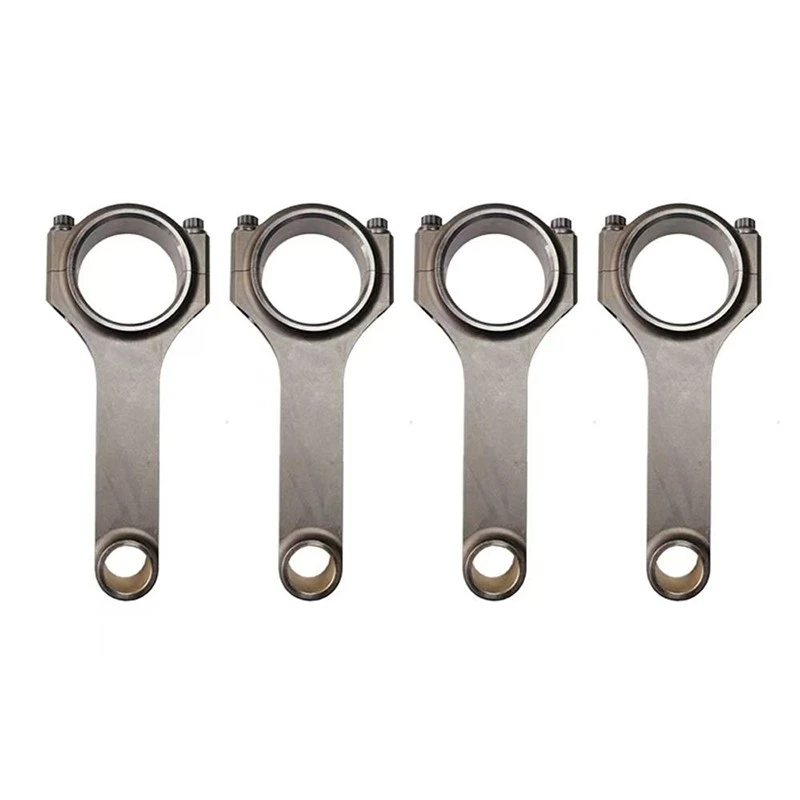
As a leading supplier of Titanium Connecting Rods, we have extensive experience in manufacturing and engineering these critical engine components. Our titanium connecting rods are designed to meet the demanding requirements of racing, high-performance street, and other applications where strength, lightweight, and precision are essential.
Material Properties of Titanium
Titanium is a highly desirable material for connecting rods due to its exceptional strength-to-weight ratio, corrosion resistance, and high fatigue strength. These properties make titanium connecting rods ideal for high-revving engines, where reduced reciprocating mass can improve engine response, acceleration, and overall performance.
However, titanium also has unique mechanical properties that affect its torque-to-yield characteristics. Compared to steel, titanium has a lower modulus of elasticity, which means it is more elastic and will deform more under the same amount of stress. This requires careful consideration when torquing the rod bolts to achieve the desired clamping force without overloading or damaging the connecting rod.
Torque-to-Yield Process for Titanium Connecting Rods
The torque-to-yield process for titanium connecting rods involves tightening the rod bolts to a specific torque value, followed by an additional angle rotation. This process ensures that the rod bolts are stretched to a predetermined yield point, creating a consistent and reliable clamping force between the connecting rod and the crankshaft journal.
When torquing titanium connecting rods, it is essential to follow the manufacturer's recommendations for torque values and angle rotations. Using incorrect torque settings can lead to insufficient clamping force, which can result in rod bolt failure, connecting rod movement, and engine damage. On the other hand, over-tightening the rod bolts can cause the bolts to stretch beyond their yield point, leading to permanent deformation and reduced fatigue life.
Factors Affecting Torque-to-Yield Characteristics
Several factors can affect the torque-to-yield characteristics of titanium connecting rods, including:
- Surface Finish: The surface finish of the rod bolts and the mating surfaces of the connecting rod can affect the friction coefficient during tightening. A smooth surface finish can reduce friction and allow for more accurate torque application.
- Lubrication: Proper lubrication of the rod bolts and the mating surfaces is essential to ensure consistent torque-to-yield performance. Lubrication reduces friction and helps to distribute the clamping force evenly.
- Temperature: The temperature of the connecting rod and the rod bolts can affect their mechanical properties. Titanium expands and contracts more than steel with changes in temperature, so it is important to account for temperature variations during the torque-to-yield process.
- Bolt Material and Design: The material and design of the rod bolts can also affect their torque-to-yield characteristics. High-quality rod bolts are typically made from high-strength steel alloys and are designed to withstand the high stresses and loads in a high-performance engine.
Importance of Proper Torque-to-Yield Installation
Proper torque-to-yield installation of titanium connecting rods is critical for ensuring engine reliability and performance. A correctly installed connecting rod will provide a consistent clamping force, which helps to prevent rod bolt failure, connecting rod movement, and engine damage.
In addition, proper torque-to-yield installation can improve engine efficiency and power output. By reducing the reciprocating mass of the connecting rods, the engine can operate more smoothly and efficiently, resulting in improved acceleration, fuel economy, and overall performance.
Other Types of Connecting Rods
In addition to Titanium Connecting Rods, we also offer a range of other high-quality connecting rods, including:
- Two Piece Connecting Rod: Two-piece connecting rods are commonly used in high-performance engines, where they offer greater flexibility in terms of design and assembly.
- Forged H Beam Connecting Rods: Forged H beam connecting rods are known for their strength and durability. They are commonly used in racing and high-performance applications.
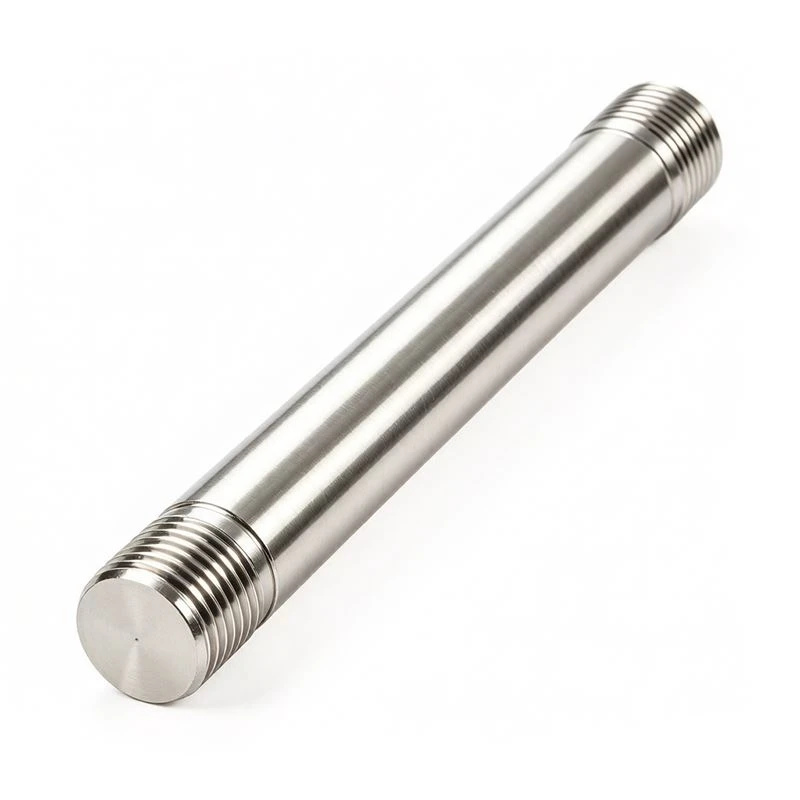
- Copper Conductive Rod for Ring Main Unit: Copper conductive rods are used in electrical applications, where they provide a reliable and efficient means of conducting electricity.
- Aluminum Connecting Rods: Aluminum connecting rods are lightweight and offer excellent heat transfer properties. They are commonly used in high-revving engines, where reduced reciprocating mass is essential.
Conclusion
Understanding the torque-to-yield characteristics of titanium connecting rods is essential for ensuring optimal performance, durability, and safety in high-performance engines. As a leading supplier of Titanium Connecting Rods, we have the expertise and experience to provide high-quality connecting rods that meet the demanding requirements of our customers.
If you are interested in learning more about our titanium connecting rods or other types of connecting rods, please contact us for more information. Our team of experts will be happy to assist you with your specific needs and requirements.
References
- Smith, J. D. (2018). Engine Performance and Tuning. SAE International.
- Jones, R. M. (2019). High-Performance Engine Building. Motorbooks.
- Brown, S. T. (2020). Automotive Engine Design and Technology. Elsevier.