

Flexible Construction for Tight Installations
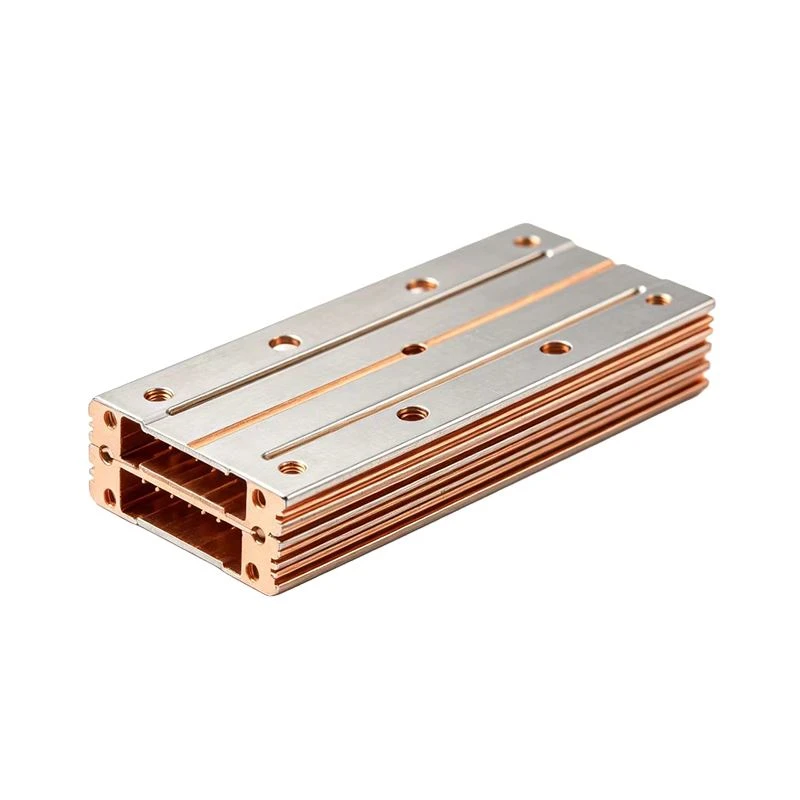
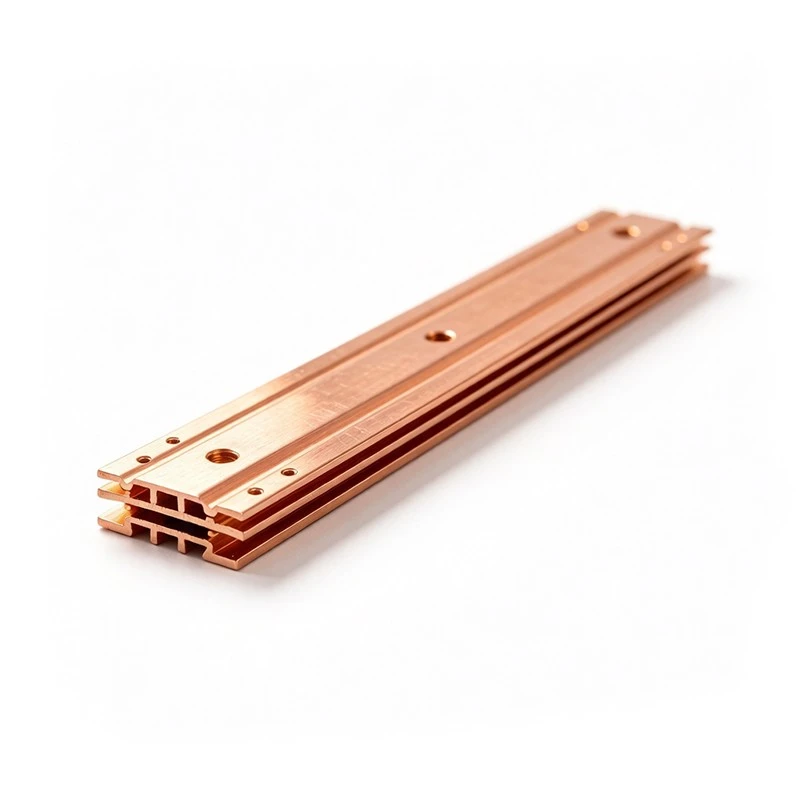
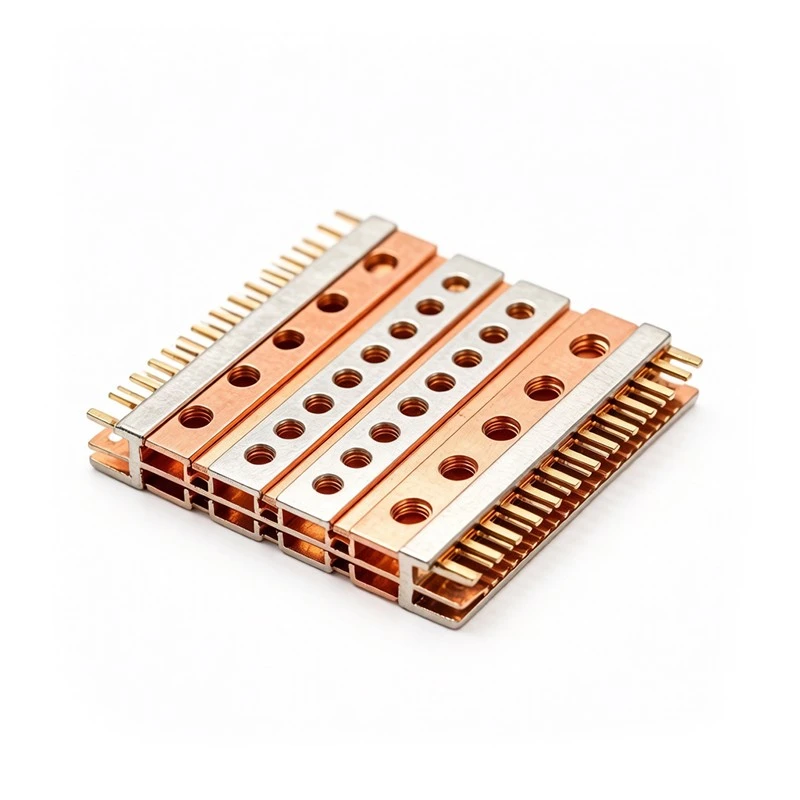
Our laminated copper busbar uses a unique construction method. We stack multiple thin copper layers together. This gives the busbar a significant advantage. It bends more easily than a solid bar of the same total thickness. This flexibility makes installation easier. Electricians can route it around obstacles. They can fit it into cramped panels. The layers also help with heat dissipation. More surface area means better cooling. Our team pays special attention to layer-to-layer contact. Loose layers would hurt conductivity. Our pressing equipment creates tight bonds between layers. We test for separation after forming. This ensures the laminated structure maintains good electrical performance.
Layer Bonding and Construction Quality
The bonding process is critical for this product. We apply controlled pressure and heat to join the layers. The result is a unified structure that acts as one conductor. The layers do not separate during bending. We test samples from every batch for bonding integrity. The test involves bending samples to a tight radius. Any separation is cause for rejection. Our workers also check the edges. Even minor separation can affect performance. We reject any pieces that show issues. The surface finish also matters. Smooth surfaces help with contact and reduce hot spots. Our process produces a clean, uniform surface.
Size Coverage and Specifications
Laminated busbar uses T2 series dimensions. Thickness ranges from 2.7mm to 12mm. Width ranges from 15mm to 125mm. Standard sizes include 12×120, 12×100, 10×125, 8×80, 6×60, 5×40, 4×30, and 3×25. The "L" prefix indicates an L-shaped bend. Standard length is 6000mm. Custom lengths available. Production follows GB/T5585.1-2026. Copper purity reaches Cu≥99.90%. Conductivity is ≥97.3% IACS. Resistivity at 20°C stays ≤0.0177 Ω·mm²/m. Density is 8.9 g/cm³. Tensile strength ranges from 220 to 260 MPa. Yield strength exceeds 170 MPa. Hardness is 65 to 90 HV. Elongation is 17% or higher.
Where Laminated Busbars Excel
Laminated busbars shine in compact electrical panels. The flexibility helps in tight spaces. Control cabinets frequently use them for cross-connections. Switchgear with limited room also benefits. The product works well when the busbar must follow a curved path. Solid busbars would require separate bends. Laminated busbars can form the curve more easily. Our customers include panel builders and equipment manufacturers. They appreciate the reduced installation effort. The export market for laminated busbars is growing. International customers value the installation advantages. The product saves time during assembly.
Production and Order Information
We run CNC programs to ensure each layer has the same dimensions. The stacking and pressing operation follows a controlled sequence. Standard sizes ship within one week. Custom orders take one to two weeks. The minimum order is 1000 kilograms. Mixed specifications are allowed. Third-party inspection is welcome. We accept USD, EUR, and CNY for settlement. Our team produces consistently high-quality laminated busbars. The bonding process is proven and reliable. You can count on the product to perform.
Technical Parameters
|
Parameter |
Value |
|
Material Grade |
T2 Copper (Laminated) |
|
Copper Purity |
Cu≥99.90% |
|
Standard |
GB/T5585.1-2026 |
|
Electrical Conductivity |
≥97.3% IACS |
|
Resistivity (20°C) |
≤0.0177 Ω·mm²/m |
|
Density |
8.9 g/cm³ |
|
Tensile Strength |
220–260 MPa |
|
Yield Strength |
≥170 MPa |
|
Hardness |
65–90 HV |
|
Elongation |
≥17% |
|
Standard Length |
6000mm (cut to size) |
Hot Tags: laminated copper busbar, China laminated copper busbar manufacturers, suppliers, factory, copper busbar, Electrical Copper Bus Bar, Hdhc Tinned Copper Busbar, Laminated Copper Busbar, Power Distribution Busbar, Solid Copper Bus Bar


