

Protective Coating Prevents Electrical Faults
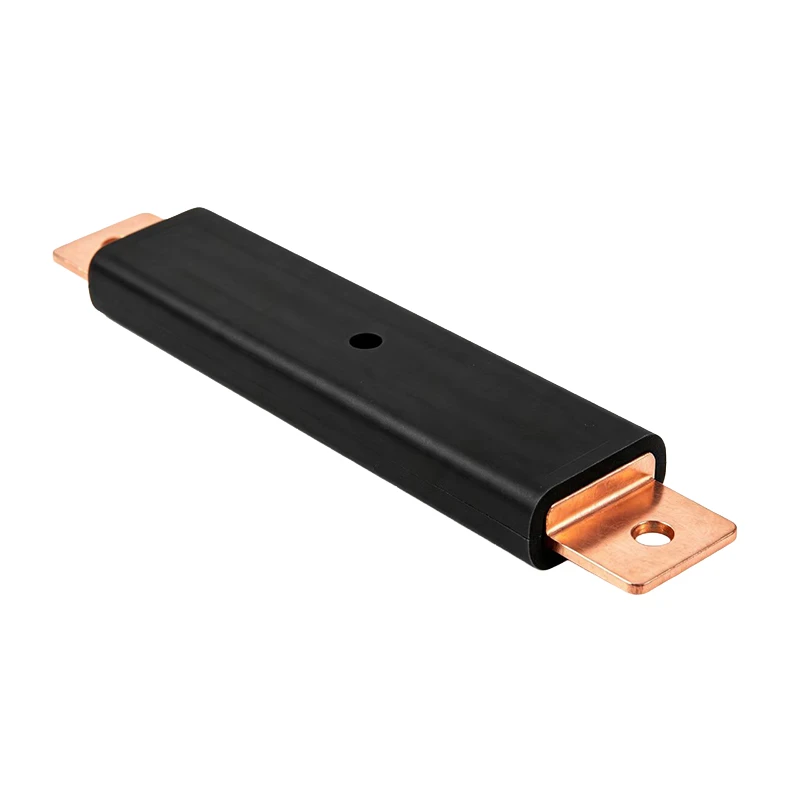
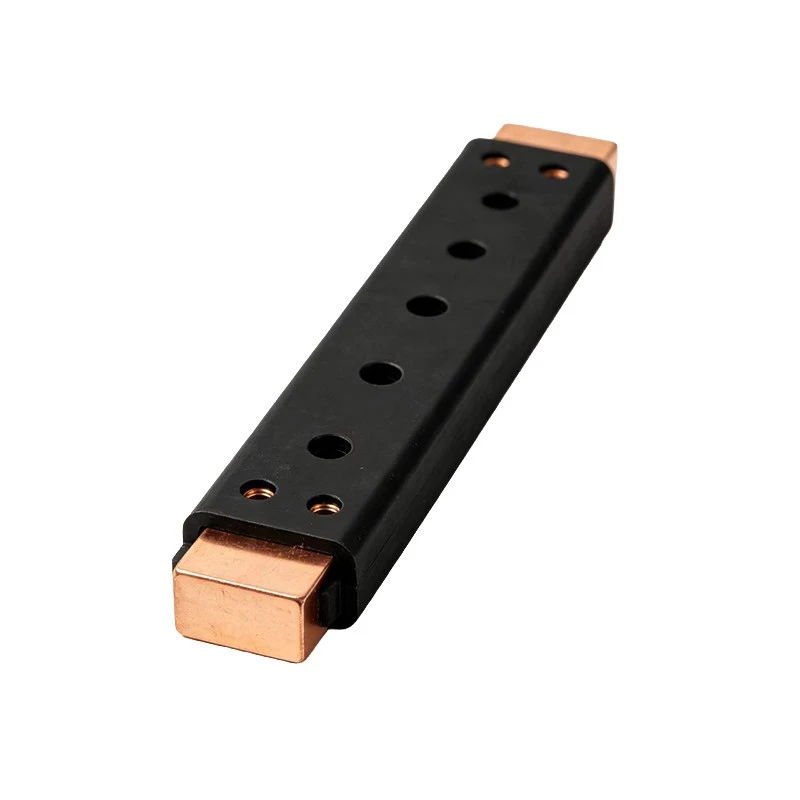
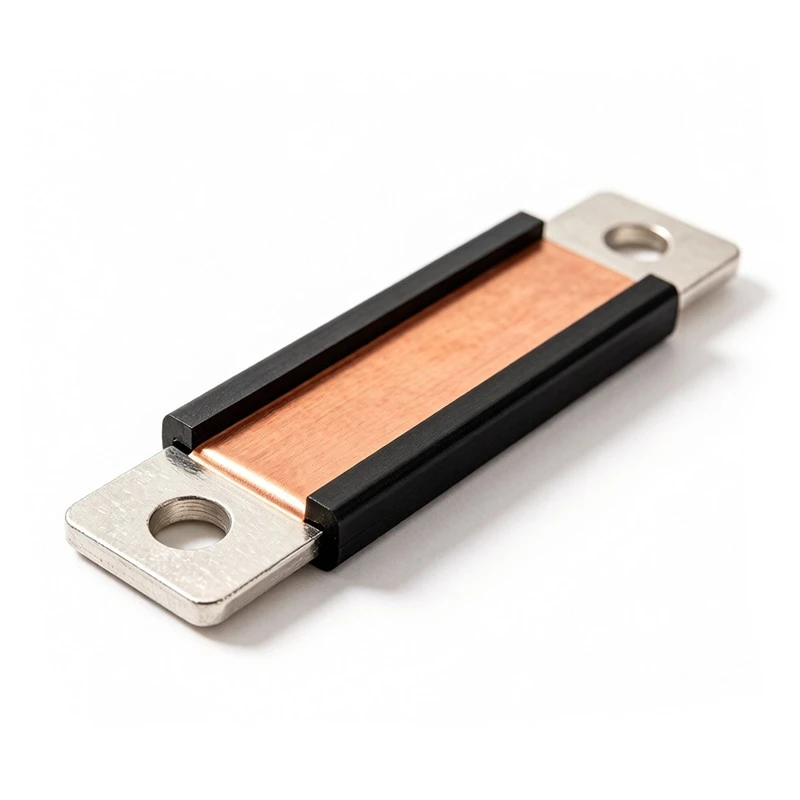
Our insulated copper busbar has a protective layer that covers the entire copper conductor. This layer serves a critical safety purpose. It prevents short circuits inside electrical equipment. Short circuits cause equipment damage and fire risks. The insulation creates a reliable barrier between conductors. This is essential in crowded panels where accidental contact is possible. Our team focuses on edge sealing during application. Poor seals allow moisture to penetrate. Over time, moisture reduces insulation effectiveness. We use carefully selected insulation materials. The application process is controlled for consistent thickness and coverage.
Insulation Application and Quality Testing
We apply the insulation through a controlled process. The material bonds directly to the copper surface. Edge coverage is especially important. The edges are where failures often start. Our workers check every edge seal manually. They also test for dielectric strength. The test confirms the insulation can handle the rated voltage. We perform this test on samples from every batch. The insulation must also withstand bending. We flex test samples to ensure it does not crack. Real installation conditions can be demanding. We simulate these conditions in our testing.
Size Range and Specifications
Insulated busbar uses T2 series dimensions. Thickness ranges from 2.7mm to 12mm. Width ranges from 15mm to 125mm. Standard sizes include 12×120, 12×100, 10×125, 8×80, 6×60, 5×40, 4×30, and 3×25. The "L" prefix indicates an L-shaped bend. Standard length is 6000mm. Custom lengths available. Production follows GB/T5585.1-2026. Copper base purity reaches Cu≥99.90%. Conductivity is ≥97.3% IACS. Resistivity at 20°C stays ≤0.0177 Ω·mm²/m. Density is 8.9 g/cm³. Tensile strength ranges from 220 to 260 MPa. Yield strength exceeds 170 MPa. Hardness is 65 to 90 HV. Elongation is 17% or higher.
Where Insulated Busbars Are Required
Insulated busbars are specified for applications where safety is paramount. Distribution cabinets use them to prevent accidental contact. Switchgear installations rely on them for busbar isolation. High-voltage equipment demands insulation for operator protection. Our customers include utilities and industrial facilities. Export customers also specify insulated busbars. The product meets international safety standards. The insulation adds a critical layer of protection. It reduces the risk of arc flash events. This makes the workplace safer for electricians and maintenance personnel.
Production and Order Information
Our quality control includes CNC programs and visual inspection. After insulation application, we inspect every piece. We look for bubbles, damage, and sealing issues. We confirm insulation thickness before packaging. Third-party inspection is welcome. Our raw material inventory stays well-stocked. Standard sizes ship within one week. Custom orders take one to two weeks. The minimum order is 1000 kilograms. Mixed specifications are allowed. We accept USD, EUR, and CNY.
Technical Parameters
|
Parameter |
Value |
|
Material Grade |
T2 Copper Base + Insulation Cover |
|
Copper Purity |
Cu≥99.90% |
|
Standard |
GB/T5585.1-2026 |
|
Electrical Conductivity |
≥97.3% IACS |
|
Resistivity (20°C) |
≤0.0177 Ω·mm²/m |
|
Density |
8.9 g/cm³ |
|
Tensile Strength |
220–260 MPa |
|
Yield Strength |
≥170 MPa |
|
Hardness |
65–90 HV |
|
Elongation |
≥17% |
|
Standard Length |
6000mm (cut to size) |
Hot Tags: insulated copper busbar, China insulated copper busbar manufacturers, suppliers, factory, copper busbar, Electrical Copper Bus Bar, Hdhc Tinned Copper Busbar, Insulated Copper Busbar, Laminated Copper Busbar, Nickel Plated Copper Bus Bar


