

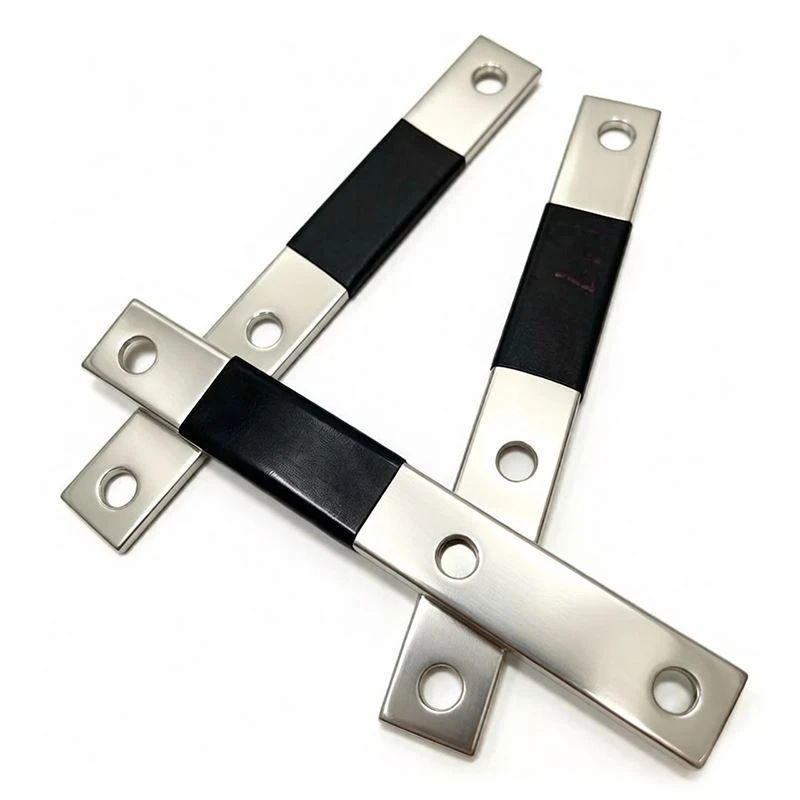
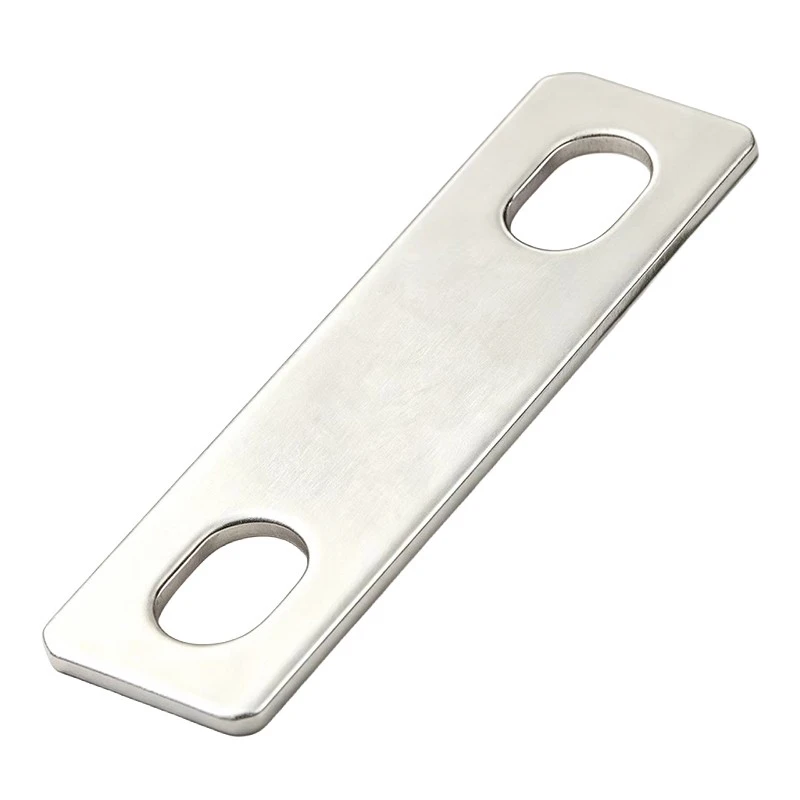
Harder Surface for High-Wear Applications
Our nickel plated copper busbar features a T2 copper base with a nickel coating. The nickel layer is significantly harder than tin. This makes a real difference in demanding environments. The hard surface resists scratching and abrasion. It also stands up to industrial chemicals that would damage tin. Our team developed the nickel plating process through extensive trial runs. We tested different bath compositions and plating times. The result is a coating that bonds firmly to the copper. No flaking. No peeling. We test adhesion on every batch. We also monitor plating thickness carefully. A thin layer does not provide enough protection. A thick layer can affect fit and conductivity. Our process holds thickness within a narrow band. This ensures performance without sacrificing dimensional accuracy.
Plating Chemistry and Process Control
Our plating line runs on precise chemical controls. The bath composition must stay balanced. Our workers check the chemistry daily. They add chemicals as needed to maintain the right balance. The current density also affects plating quality. Too high and the coating becomes rough. Too low and the layer does not bond well. Our team has optimized these parameters over time. The result is a consistent, high-quality nickel layer. We also monitor the rinse stages. Contamination can affect adhesion. Our process includes thorough rinsing between steps. This attention to detail ensures every busbar gets the same high-quality coating.
Size Range and Specifications
We stock nickel plated busbar in the same sizes as our T2 series. Thickness ranges from 2.7mm to 12mm. Width ranges from 15mm to 125mm. Standard sizes include 12×120, 12×100, 10×125, 8×80, 6×60, 5×40, 4×30, and 3×25. The "L" prefix indicates an L-shaped bend. Standard length is 6000mm. Custom lengths available. Production follows GB/T5585.1-2026. Base copper purity reaches Cu≥99.90%. Conductivity is ≥97.3% IACS. Resistivity at 20°C stays ≤0.0177 Ω·mm²/m. Density is 8.9 g/cm³. Tensile strength ranges from 220 to 260 MPa. Yield strength exceeds 170 MPa. Hardness falls between 65 and 90 HV. Elongation is 17% or higher.
Where Nickel Plating Makes a Difference
Nickel plated busbar performs best in tough operating conditions. Chemical plants use it because nickel resists corrosion. Food processing equipment also benefits from nickel's cleanability. Automotive battery connections often specify nickel plating. The hard surface resists wear from repeated connections. Frequent plugging and unplugging does not damage the coating. Our customers in heavy industry trust this product. The nickel layer also provides a good base for soldering. Connections stay reliable over many years. Export customers appreciate the corrosion protection in humid climates. The nickel coating works as a barrier against moisture and salt.
Production and Order Information
We start production right after order confirmation. Our nickel plating line runs continuously. This gives us consistent results. Standard sizes ship within one week. Custom orders take one to two weeks. The minimum order is 1000 kilograms. Mixed sizes in one order are accepted. Third-party inspection is welcome at our factory. We accept USD, EUR, and CNY for settlement. Our team processes each order with the same attention to quality. The plating line operates under strict controls. This gives you confidence in the final product.
Technical Parameters
|
Parameter |
Value |
|
Material Grade |
T2 Copper Base + Nickel Coating |
|
Copper Purity |
Cu≥99.90% |
|
Standard |
GB/T5585.1-2026 |
|
Electrical Conductivity |
≥97.3% IACS |
|
Resistivity (20°C) |
≤0.0177 Ω·mm²/m |
|
Density |
8.9 g/cm³ |
|
Tensile Strength |
220–260 MPa |
|
Yield Strength |
≥170 MPa |
|
Hardness |
65–90 HV |
|
Elongation |
≥17% |
|
Standard Length |
6000mm (cut to size) |
Hot Tags: nickel plated copper bus bar, China nickel plated copper bus bar manufacturers, suppliers, factory, copper busbar, Power Distribution Busbar, Pure Copper Busbar, T2 Copper Busbar, T3 Copper Busbar, Tmy Copper Busbar


