

Are copper rods good conductors of electricity?
Copper has long been revered as one of the most reliable materials when it comes to conducting electricity. In this blog post, we'll delve into the properties of copper rods as electrical conductors, explore their advantages, and discuss various applications. As a copper rod supplier, I'm excited to share with you the science and practicality behind this remarkable material.
The Science of Copper as an Electrical Conductor
At the atomic level, copper's electrons are loosely bound to their atoms. This characteristic allows electrons to move freely throughout the material when an electric field is applied. When a voltage is introduced across the ends of a copper rod, these free electrons start to flow, creating an electric current.
The conductivity of a material is measured in siemens per meter (S/m). Copper boasts an extremely high electrical conductivity, approximately 5.96 x 10⁷ S/m at 20°C. This high value is second only to silver, which has a conductivity of about 6.30 x 10⁷ S/m. However, due to the high cost of silver, copper is the more practical choice for most electrical applications.
The crystalline structure of copper also contributes to its excellent conductivity. The regular arrangement of copper atoms in a lattice provides a smooth path for the electrons to move, minimizing resistance. Resistance is the property that opposes the flow of current. Lower resistance means less energy is lost as heat during the conduction process.
Advantages of Using Copper Rods as Electrical Conductors
- High Conductivity: As mentioned earlier, copper's high electrical conductivity allows for efficient transmission of electricity. This means less energy is wasted as heat, making it a cost - effective solution for electrical systems. For example, in power transmission lines, using copper rods helps to reduce power losses during the long - distance transfer of electricity.
- Ductility and Malleability: Copper rods are highly ductile, which means they can be drawn into thin wires without breaking. They are also malleable, allowing them to be easily shaped into different forms. This makes it convenient for manufacturers to create custom - shaped electrical components such as coils, windings, and connectors. Whether it's a simple electrical wire or a complex motor coil, copper can be adapted to meet various design requirements.
- Corrosion Resistance: Copper forms a thin oxide layer on its surface when exposed to air. This oxide layer acts as a protective barrier, preventing further corrosion. In humid or corrosive environments, this property is crucial as it ensures the long - term reliability of electrical connections. For instance, in marine applications where the equipment is exposed to saltwater, copper rods can maintain their electrical performance over an extended period.
- Thermal Conductivity: Copper also has excellent thermal conductivity. In electrical applications, this is beneficial as it helps to dissipate heat generated during the flow of current. This reduces the risk of overheating, which can cause damage to electrical components and pose safety hazards.
Applications of Copper Rods in Electrical Systems
- Power Generation and Distribution: Copper rods are widely used in power plants, substations, and electrical grids. They are employed in busbars, which are used to distribute electrical power within a substation. The high conductivity of copper ensures that the power can be efficiently transferred from the generators to the end - users. Additionally, copper rods are used in transformer windings, where they play a vital role in stepping up or stepping down the voltage.
- Electrical Wiring: Copper is the material of choice for residential, commercial, and industrial electrical wiring. The wiring in our homes, offices, and factories is typically made from copper due to its safety and efficiency. The ductility of copper rods allows for easy installation, and their corrosion resistance ensures a long - lasting electrical connection.
- Electronics: In the electronics industry, copper rods are used to make printed circuit boards (PCBs), electronic connectors, and semiconductor devices. The high conductivity of copper enables fast signal transmission, which is essential for the proper functioning of electronic devices such as computers, smartphones, and televisions.
- Motors and Generators: Copper rods are used in the windings of motors and generators. The efficient conduction of electricity through the copper windings helps to convert electrical energy into mechanical energy (in motors) or vice versa (in generators). This is critical for the performance of various industrial and household appliances, from electric motors in washing machines to large - scale generators in power plants.
Types of Copper Rods for Electrical Applications
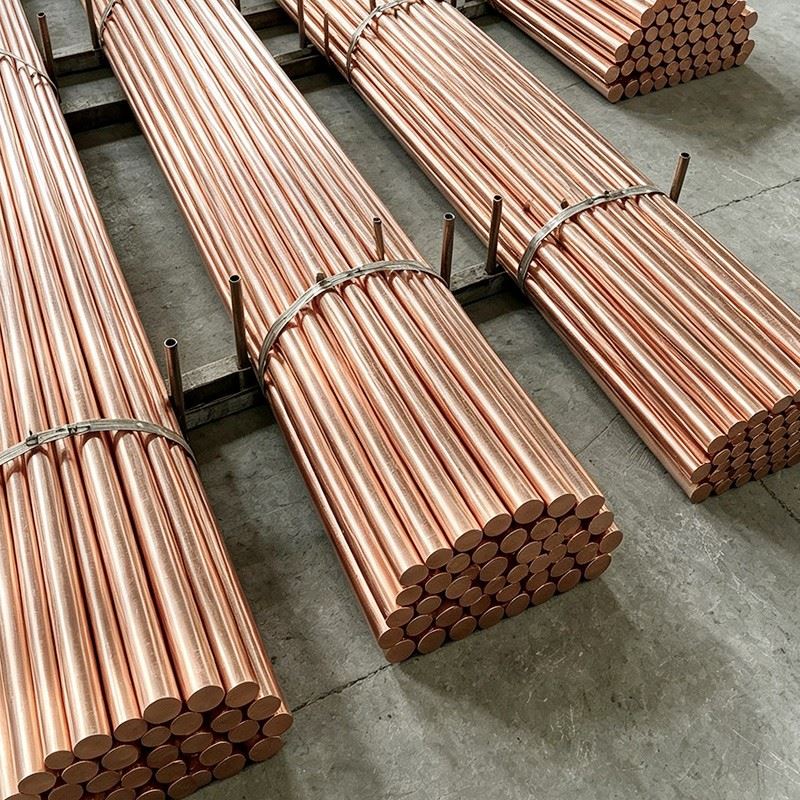
As a copper rod supplier, we offer a variety of copper rods to meet different customer needs.
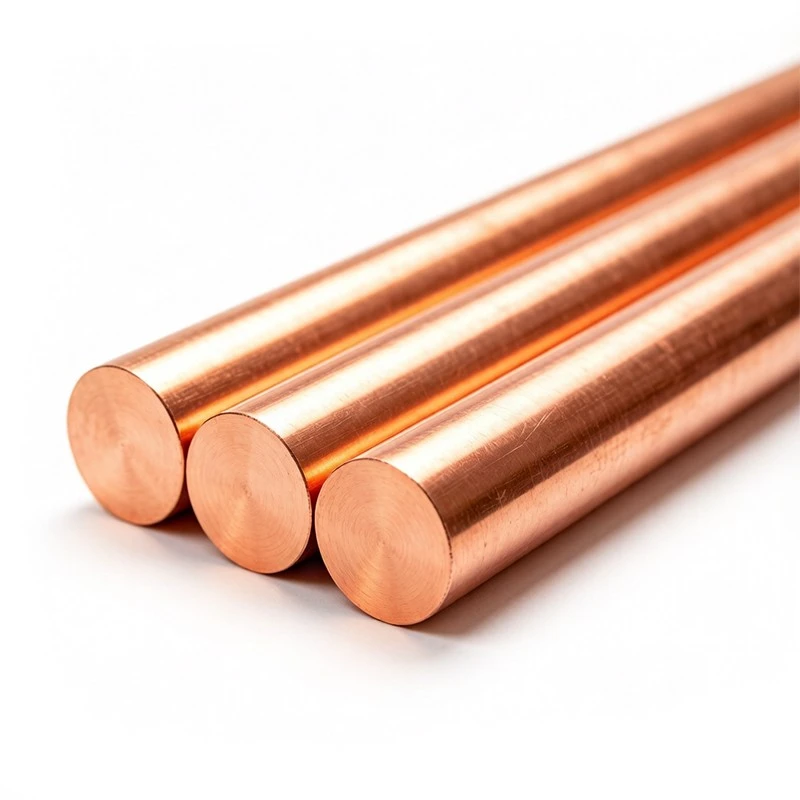
- Solid Copper Rods: These are made from pure solid copper, providing uniform conductivity throughout the rod. They are commonly used in applications where high - quality electrical conduction is required, such as in high - end electrical equipment.
- Solid Copper Round Bar: Similar to solid copper rods, but with a specific round shape. The round cross - section makes them easy to work with in machining operations and is often used in custom - made electrical components.
- Ofhc Copper Rod: Oxygen - free high - conductivity (OFHC) copper rods have extremely low oxygen content, which further enhances their electrical and thermal conductivity. They are ideal for applications where the highest level of performance is demanded, such as in advanced electronic devices and high - frequency circuits.
- Non - standard Copper Rods: For customers with unique requirements, we offer non - standard copper rods. These can be customized in terms of size, shape, and purity to meet specific application needs.
- T2 Pure Copper Rods: T2 pure copper rods have a high copper content and good electrical conductivity. They are a cost - effective option for many general electrical applications.
Conclusion
In conclusion, copper rods are indeed excellent conductors of electricity. Their high electrical conductivity, combined with other beneficial properties such as ductility, malleability, corrosion resistance, and thermal conductivity, make them an ideal choice for a wide range of electrical applications. Whether it's power generation, distribution, wiring, electronics, or motors and generators, copper rods play a crucial role in ensuring the efficient and reliable operation of electrical systems.
If you are in need of high - quality copper rods for your electrical projects, we are here to help. Our experienced team can provide you with the right type of copper rod to meet your specific requirements. Contact us today to start a conversation about your copper rod needs and explore how we can assist you in your procurement process.
References
- Grozier, C. (2019). Copper: Properties, Applications, and Production. John Wiley & Sons.
- Sze, S. M. (2007). Physics of Semiconductor Devices. Wiley - Interscience.
- ASM Handbook Committee. (2004). ASM Handbook, Volume 2: Properties and Selection: Nonferrous Alloys and Special - Purpose Materials. ASM International.