

What's up, gearheads and racing enthusiasts! I'm a supplier of Racing Connecting Rods, and today, I'm stoked to dive into a topic that's crucial for anyone looking to boost their engine's performance: the weight difference between racing connecting rods and regular ones.
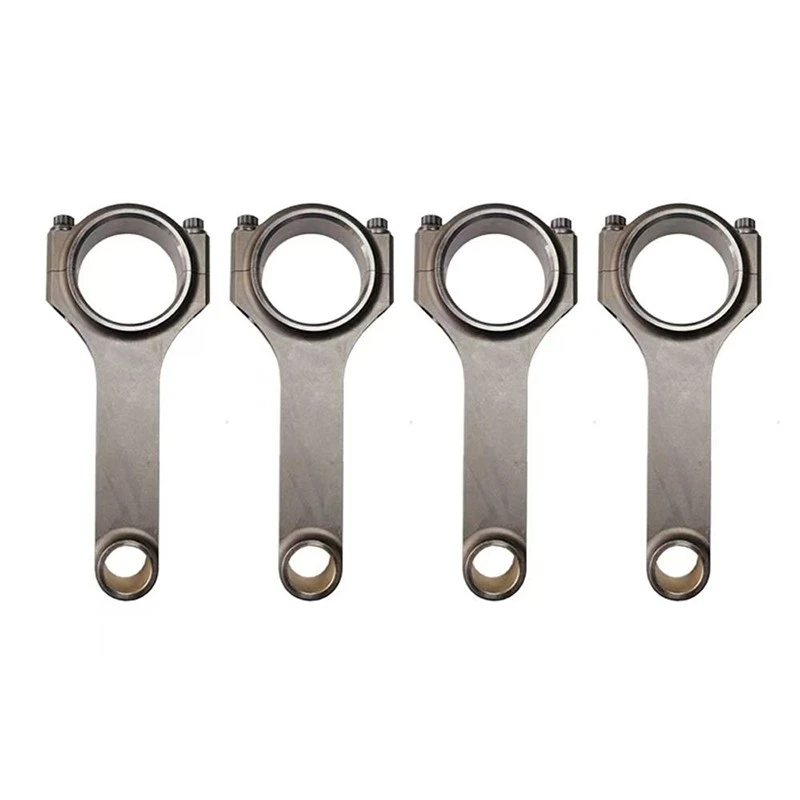
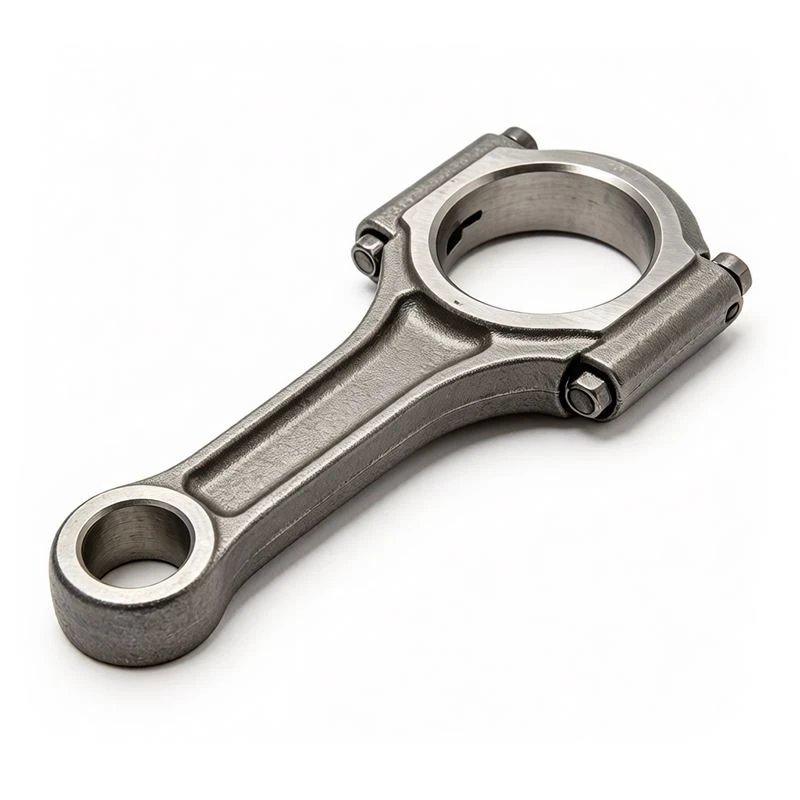
Now, let's start with the basics. Connecting rods are like the workhorses of an engine. They connect the piston to the crankshaft, transferring the linear motion of the piston into rotational motion that powers your vehicle. But not all connecting rods are created equal, especially when it comes to racing.
Regular Connecting Rods: The Everyday Heroes
Regular connecting rods, often referred to as Oem Connecting Rods, are designed for everyday driving. They're built to be reliable, durable, and cost - effective. These rods are made to handle the normal wear and tear of daily commuting, stop - and - go traffic, and occasional highway drives.
Most OEM connecting rods are made from cast iron or steel. Cast iron is a common choice because it's inexpensive and easy to manufacture. Steel, on the other hand, offers better strength and durability. But the trade - off is that these materials can be pretty heavy.
The weight of regular connecting rods can vary depending on the engine size and design. For a typical four - cylinder engine, regular connecting rods can weigh anywhere from 600 to 900 grams each. Six - cylinder engines might have rods weighing between 800 and 1200 grams, and V8 engines can have even heavier rods, up to 1500 grams or more per rod.
The extra weight of regular connecting rods isn't a big deal for normal driving. They're designed to work well with the stock engine setup, and the engine's RPM range is usually limited, so the heavy rods can handle the stress without any issues.
Racing Connecting Rods: Light as a Feather, Strong as a Bull
Racing connecting rods are a whole different ballgame. When you're on the track, every second counts, and reducing weight is one of the most effective ways to improve performance. That's why racing connecting rods are engineered to be as light as possible without sacrificing strength.
There are different types of Racing Connecting Rods available, each with its own unique characteristics.
Aluminum Connecting Rods
Aluminum Connecting Rods are a popular choice in racing. Aluminum is much lighter than steel or cast iron, so these rods can significantly reduce the overall weight of the rotating assembly. On average, aluminum connecting rods can weigh about 30 - 50% less than their steel counterparts. For a four - cylinder engine, aluminum connecting rods might weigh around 300 to 500 grams each.
The light weight of aluminum rods allows the engine to rev up faster, which can improve acceleration. However, aluminum is not as strong as steel, so it has a lower fatigue life. This means that aluminum rods need to be inspected and replaced more frequently, especially in high - performance applications.
Forged H - Beam Connecting Rods
Forged H - Beam Connecting Rods are another type of racing rod. These rods are made from high - strength steel that's forged into an H - beam shape. The forging process makes the steel denser and stronger, while the H - beam design provides excellent stiffness and resistance to bending.
Although forged H - beam connecting rods are made of steel, they're still lighter than regular steel connecting rods. This is because they're designed more efficiently, with less excess material. A forged H - beam connecting rod for a four - cylinder engine might weigh around 500 to 700 grams, which is lighter than a comparable regular steel rod.
Two Piece Connecting Rod
Two Piece Connecting Rod is a unique design often used in high - performance racing engines. These rods are made in two parts, which allows for easier assembly and disassembly, especially when working on large - displacement engines. They're usually made from high - strength materials like steel or titanium.
Two - piece connecting rods can be engineered to be very light, with weights similar to other racing rods. The advantage of the two - piece design is that it can be customized more easily to fit specific engine requirements.
Why Does Weight Matter?
You might be wondering, why is the weight of connecting rods such a big deal? Well, reducing the weight of the rotating assembly has several benefits for engine performance.
- Improved Acceleration: A lighter rotating assembly means less inertia. The engine doesn't have to work as hard to spin up the crankshaft and pistons, so it can accelerate more quickly. This is especially important in racing, where a fraction of a second can make all the difference.
- Higher RPMs: Lighter connecting rods allow the engine to reach higher RPMs more easily. Since there's less weight to move, the engine can rev up faster and stay at higher RPMs without putting as much stress on the components.
- Reduced Vibration: A lighter rotating assembly can also reduce engine vibration. This not only makes the engine run smoother but also reduces wear and tear on other engine components, which can improve reliability over the long term.
Making the Right Choice
When it comes to choosing between regular and racing connecting rods, it all depends on your needs. If you're just using your vehicle for daily commuting, regular connecting rods are the way to go. They're reliable, cost - effective, and built to last.
But if you're a racing enthusiast or looking to build a high - performance engine, then investing in racing connecting rods is a no - brainer. They'll give you the performance boost you need to stay ahead of the competition.
Whether you're looking for Aluminum Connecting Rods, Forged H - Beam Connecting Rods, or any other type of racing connecting rod, I'm here to help. I've got a wide range of options to suit different engines and performance requirements.
If you're interested in upgrading your engine with high - quality racing connecting rods, don't hesitate to reach out. Let's have a chat about your specific needs and find the perfect solution for your project.
References
- "Engine Performance Handbook" by David Vizard
- "Automotive Engineering Fundamentals" by Richard Stone and Jeffrey K. Ball
- Industry whitepapers on engine component design and performance.