

As a supplier of Standard Flexible Connectors, I often get asked whether these connectors can be reused. It's a valid question, and today, I wanna break it down for y'all and give you the lowdown on reusing standard flexible connectors.
Understanding Standard Flexible Connectors
First off, let's quickly talk about what standard flexible connectors are. These are connectors used in a whole bunch of industries for different applications. They're designed to provide a flexible link between two components, allowing for movement, vibration absorption, and misalignment compensation.
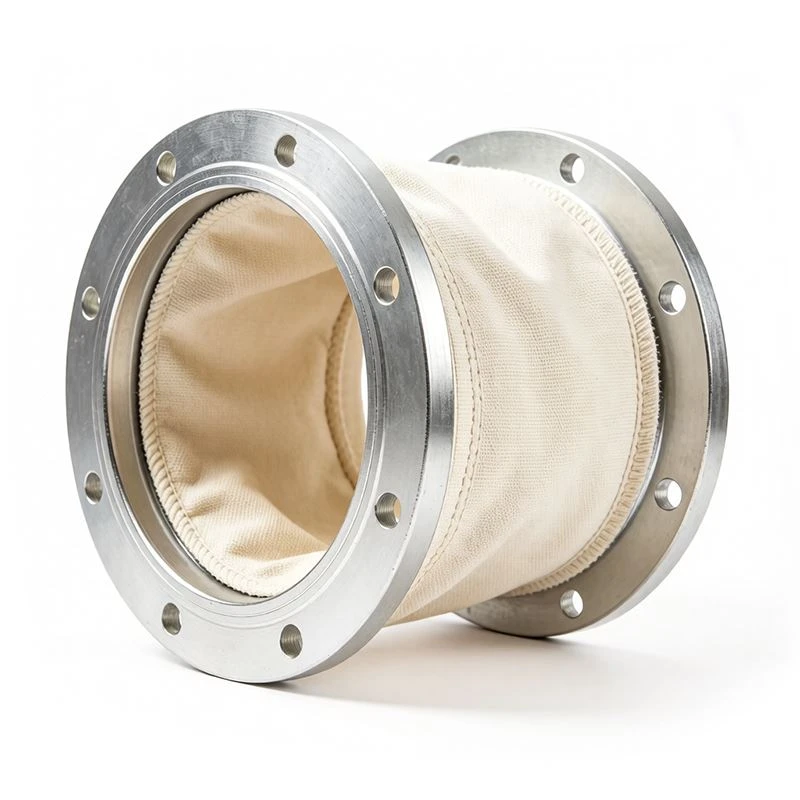
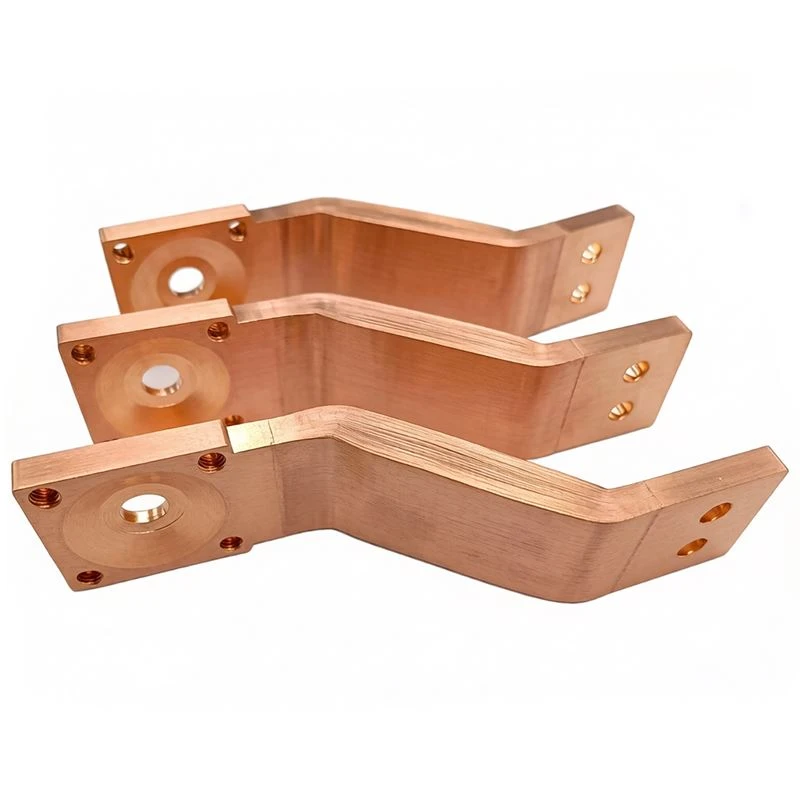
We've got different types of standard flexible connectors, like the Copper Braided Flexible Connector, which is super popular in electrical applications because of copper's excellent conductivity. Then there's the Flexible Duct Connector Canvas, used in HVAC systems to connect ducts while handling some movement and noise reduction. And the Flexible Gas Appliance Connectors that are crucial for safely connecting gas appliances.
Factors Affecting Reusability
Now, whether you can reuse a standard flexible connector depends on several factors.
Condition of the Connector
The most obvious one is the condition of the connector itself. If it's been damaged, worn out, or corroded, reusing it is a big no - no. For example, in a copper braided flexible connector, if the braids are frayed or broken, it won't conduct electricity properly, and reusing it could lead to electrical problems like overheating or short - circuits.
In the case of a flexible duct connector canvas, if it has holes, tears, or is heavily soiled, it won't be able to perform its job of sealing and reducing noise. And for flexible gas appliance connectors, any signs of damage, like cracks or leaks, can be extremely dangerous as they can lead to gas leaks, which are a major safety hazard.
Application Requirements
The application where the connector was used and where it'll be reused also matters. Some applications are more demanding than others. For instance, in a high - vibration environment, a connector might experience more wear and tear compared to a low - vibration one. So, a connector that worked fine in a low - stress application might not be suitable for reuse in a high - stress one.
Also, different applications have different temperature, pressure, and chemical exposure requirements. If a connector was used in an application with high temperatures and you try to reuse it in an environment where it'll be exposed to chemicals, it might degrade quickly and fail.
Installation and Removal
How the connector was installed and removed can also impact its reusability. If it was installed incorrectly, it might have been stressed in the wrong way, causing internal damage that might not be visible on the surface. Similarly, if it was removed roughly, it could have been bent or stretched beyond its limits, making it unfit for reuse.
When Reusing Can Be a Good Idea
There are some situations where reusing a standard flexible connector can make sense.
Minor Applications
If the connector was used in a minor, low - stress application and is in good condition, reusing it in a similar application can be cost - effective. For example, if you had a flexible duct connector canvas in a small, low - traffic room and it's still in good shape, you can reuse it in another similar room.
Temporary Fixes
In some cases, when you're in a pinch and need a quick fix, reusing a connector can be a short - term solution. But it's important to remember that this should only be a temporary measure, and you should replace the connector with a new one as soon as possible.
When to Avoid Reusing
However, there are plenty of times when you should steer clear of reusing a connector.
Safety - Critical Applications
In safety - critical applications, like in gas systems or electrical circuits in hospitals or industrial settings, never reuse a connector. The risks are just too high. A faulty connector in a gas system can lead to explosions, and in an electrical system, it can cause fires or electrical shocks.
New Installation Requirements
If the new installation has different requirements than the previous one, such as higher pressure, temperature, or vibration levels, don't reuse the connector. A connector that was sufficient for one set of conditions might not be able to handle the new ones.
Our Range of Standard Flexible Connectors
As a supplier, we offer a wide range of Standard Flexible Connectors that are designed to meet various industry needs. Our products are made with high - quality materials and go through strict quality control processes to ensure reliability and performance.
If you're not sure about the reusability of your current connectors or you need new ones for a project, we also have Non Standard Flexible Connectors available. These can be customized to fit your specific requirements.
Conclusion
So, can standard flexible connectors be reused? Well, it depends. While it's possible to reuse them in some situations, there are many factors to consider, such as the condition of the connector, the application requirements, and how it was installed and removed. In safety - critical or high - stress applications, it's usually best to opt for new connectors.
If you're in the market for standard or non - standard flexible connectors, we're here to help. Don't hesitate to reach out to us for more information or to start a purchasing discussion. We're committed to providing you with the best solutions for your connector needs.
References
- General knowledge of flexible connectors based on industry experience and common engineering principles.
- Manufacturer's guidelines and specifications for various flexible connectors.