

What is the impact strength of a copper rod?
As a trusted copper rod supplier, I often encounter inquiries regarding the impact strength of copper rods. Impact strength is a crucial mechanical property that determines a material's ability to withstand sudden forces or shocks without fracturing. Understanding the impact strength of copper rods is essential for various applications, from electrical and plumbing to construction and manufacturing.
Understanding Impact Strength
Impact strength is typically measured using the Charpy or Izod impact tests. These tests involve striking a notched specimen of the material with a pendulum hammer and measuring the energy absorbed by the specimen during fracture. The higher the energy absorbed, the greater the impact strength of the material.
Several factors can influence the impact strength of copper rods, including the composition of the copper, its microstructure, and the presence of any defects or impurities. Pure copper, also known as oxygen-free high-conductivity (OFHC) copper, generally exhibits good impact strength due to its uniform crystalline structure and high ductility. However, alloying elements can be added to copper to enhance its strength, hardness, and other properties, which may also affect its impact strength.
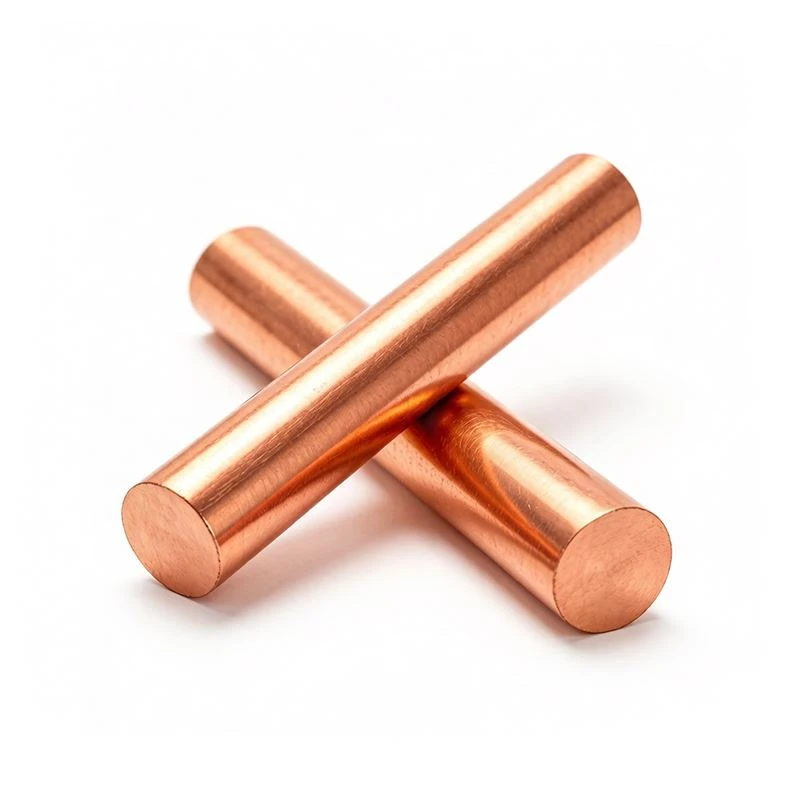
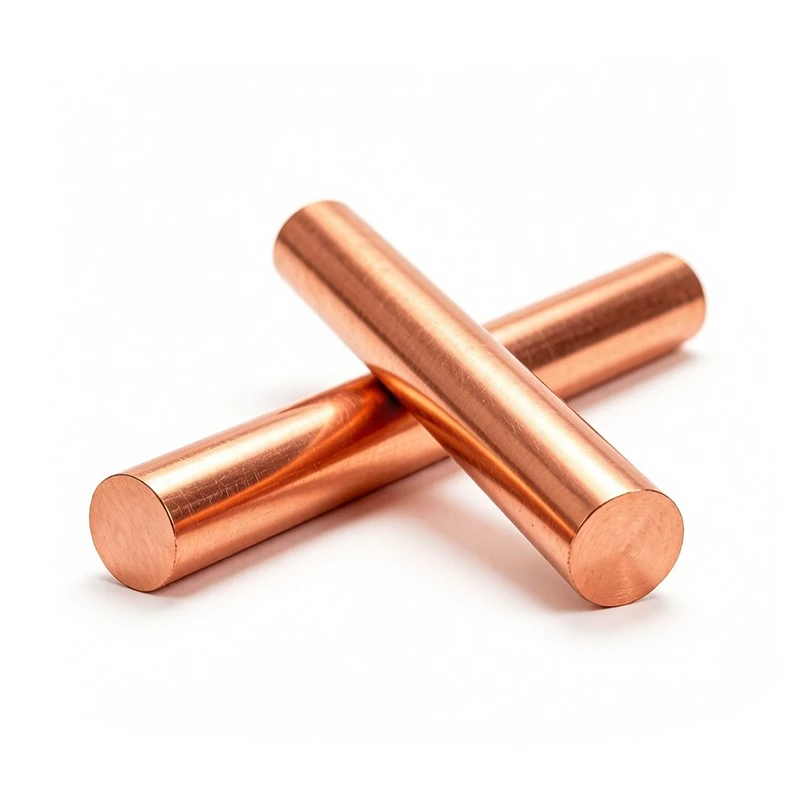
Composition and Impact Strength
The composition of a copper rod plays a significant role in determining its impact strength. Pure copper has excellent ductility and high impact strength, making it suitable for applications where shock resistance is required. However, in some cases, the addition of alloying elements can improve the overall performance of the copper rod.
For example, Chromium Copper Rod contains chromium as an alloying element, which enhances its strength and hardness while maintaining good electrical conductivity. Chromium copper rods are often used in electrical contacts, resistance welding electrodes, and other applications where high wear resistance and impact strength are needed.
Another common type of copper alloy is the Ofhc Copper Rod. OFHC copper has a very low oxygen content, which improves its purity and electrical conductivity. It also exhibits good impact strength and ductility, making it ideal for applications in the electrical and electronics industries.
Microstructure and Impact Strength
The microstructure of a copper rod, including the grain size and the presence of any phases or precipitates, can also affect its impact strength. A fine-grained microstructure generally results in higher impact strength because it provides more grain boundaries for the absorption of energy during impact.
Heat treatment processes, such as annealing or quenching, can be used to modify the microstructure of copper rods and improve their mechanical properties, including impact strength. Annealing involves heating the copper rod to a specific temperature and then slowly cooling it, which helps to relieve internal stresses and refine the grain structure. Quenching, on the other hand, involves rapid cooling, which can increase the hardness and strength of the copper rod but may also reduce its ductility.
Defects and Impurities
The presence of defects or impurities in a copper rod can significantly reduce its impact strength. Defects such as cracks, porosity, or inclusions can act as stress concentrators, causing the material to fail under impact loading. Impurities, including sulfur, phosphorus, and other elements, can also have a detrimental effect on the impact strength of copper rods.
To ensure high-quality copper rods with good impact strength, it is essential to use high-purity raw materials and employ strict quality control measures during the manufacturing process. Non-destructive testing methods, such as ultrasonic testing or X-ray inspection, can be used to detect any internal defects or impurities in the copper rods before they are shipped to customers.
Applications and Impact Strength Requirements
The impact strength requirements for copper rods vary depending on the specific application. In electrical and electronics applications, copper rods are primarily used for their high electrical conductivity, and impact strength may not be a critical factor. However, in applications where the copper rods are subjected to mechanical stress or shock, such as in construction or machinery, a higher impact strength is often required.
For example, Solid Copper Rods are commonly used in construction for structural support, electrical grounding, and plumbing applications. In these applications, the copper rods need to be able to withstand the weight and forces exerted on them without breaking or deforming. Similarly, Solid Copper Round Bar is used in various manufacturing processes, including machining, forging, and welding, where it may be subjected to impact loading during production or use.
Our Offerings
As a leading copper rod supplier, we offer a wide range of copper rods with different compositions, sizes, and specifications to meet the diverse needs of our customers. Our products include Non-standard Copper Rods, which can be customized according to specific requirements, as well as standard solid copper rods and copper round bars.
We ensure that all our copper rods are manufactured to the highest quality standards, using advanced production techniques and strict quality control measures. Our experienced team of engineers and technicians is available to provide technical support and advice to help our customers select the most suitable copper rods for their applications.
Conclusion
The impact strength of a copper rod is an important mechanical property that depends on several factors, including its composition, microstructure, and the presence of any defects or impurities. Understanding the impact strength requirements for different applications is crucial for selecting the right copper rod. As a reliable copper rod supplier, we are committed to providing high-quality products that meet or exceed our customers' expectations. If you are interested in purchasing copper rods or require more information about their impact strength and applications, please feel free to contact us for a detailed discussion and procurement negotiation.
References
- Callister, W. D., & Rethwisch, D. G. (2018). Materials Science and Engineering: An Introduction. Wiley.
- ASM Handbook Committee. (2005). ASM Handbook Volume 2: Properties and Selection: Nonferrous Alloys and Special-Purpose Materials. ASM International.