

What is the role of the rod journal in racing connecting rods?
In the high - octane world of racing, every single component of an engine plays a crucial role in determining the overall performance of the vehicle. One such often - overlooked yet vital part is the rod journal in racing connecting rods. As a leading supplier of Racing Connecting Rods, I have witnessed firsthand the significance of this small but mighty element.
Understanding the Basics of Racing Connecting Rods
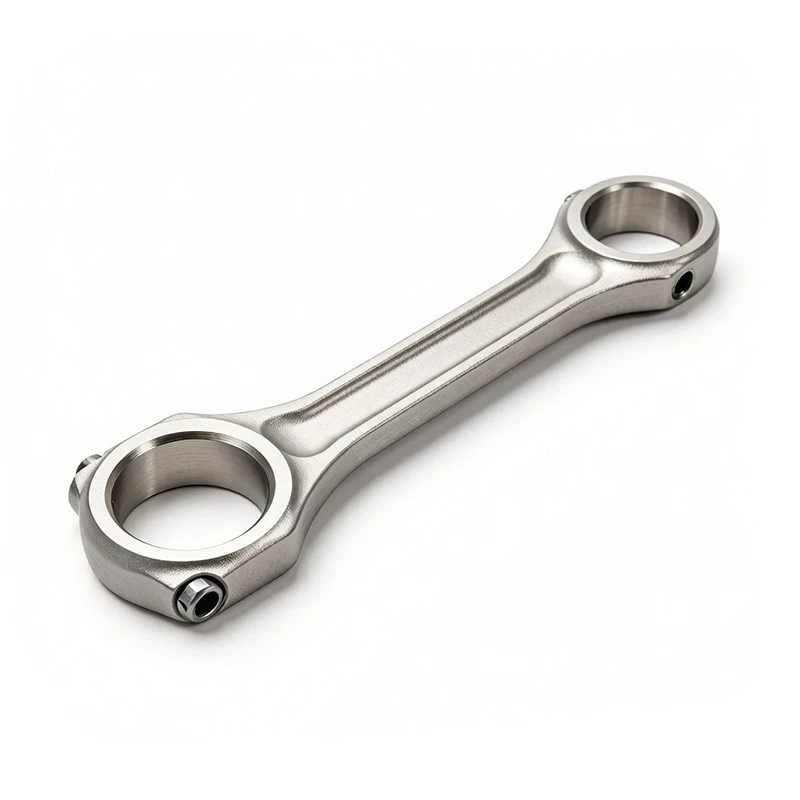
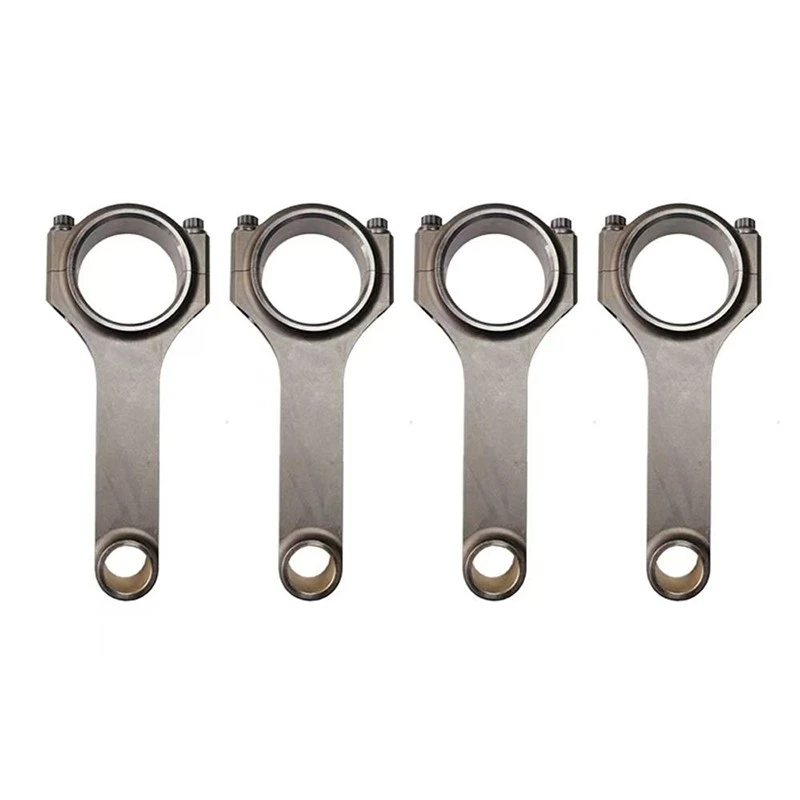
Before delving into the role of the rod journal, it's essential to understand what racing connecting rods are. These rods serve as the link between the piston and the crankshaft in an engine. They transfer the linear motion of the piston into the rotational motion of the crankshaft. In racing applications, where every bit of power and efficiency matters, the design and quality of connecting rods are of utmost importance.
We offer a diverse range of connecting rods, including Aluminum Connecting Rods, Titanium Connecting Rods, Two Piece Connecting Rod, and Forged H Beam Connecting Rods. Each type has its own unique set of characteristics and advantages, but all rely on the proper functioning of the rod journal.
The Rod Journal: A Key Component
The rod journal is the part of the crankshaft that the big end of the connecting rod attaches to. It is a cylindrical surface that provides a smooth and stable interface for the connecting rod to rotate around. The rod journal is designed to withstand extremely high loads and stresses, as the forces generated during the combustion process in a racing engine are immense.
One of the primary roles of the rod journal is to support the connecting rod and allow it to move freely. As the piston moves up and down in the cylinder, the connecting rod pivots around the rod journal. This movement must be smooth and precise to ensure efficient power transfer from the piston to the crankshaft. Any irregularities or excessive wear on the rod journal can lead to increased friction, vibration, and ultimately, a loss of engine performance.
Load Distribution and Stress Management
In a racing engine, the rod journal is subjected to a complex combination of forces. During the power stroke, when the fuel - air mixture ignites in the cylinder, the piston is forced downward with great force. This force is transferred through the connecting rod to the rod journal. The rod journal must be able to distribute this load evenly across its surface to prevent excessive stress concentration.
If the load is not distributed properly, it can lead to premature wear and failure of the rod journal and the connecting rod itself. To address this, modern racing connecting rods and rod journals are designed with advanced engineering techniques. For example, the shape and size of the rod journal are carefully optimized to ensure the best possible load distribution. Additionally, high - quality materials are used to enhance the strength and durability of the rod journal.
Lubrication and Cooling
Another critical role of the rod journal is to facilitate lubrication and cooling. In a racing engine, the rod journal operates at high speeds and under extreme temperatures. Without proper lubrication, the friction between the connecting rod and the rod journal would generate excessive heat, which could cause the components to seize and fail.
Engine oil is used to lubricate the rod journal. The oil forms a thin film between the connecting rod and the rod journal, reducing friction and wear. The rod journal is also designed with oil passages that allow the oil to flow through and cool the surface. This helps to maintain the optimal operating temperature and ensures the longevity of the components.
Precision and Tolerance
In racing applications, precision is key. The rod journal must be machined to extremely tight tolerances to ensure a perfect fit with the connecting rod. Even the slightest deviation from the specified dimensions can have a significant impact on engine performance.
Our manufacturing process for racing connecting rods and rod journals involves state - of - the - art machining techniques. We use advanced CNC machines to ensure that every rod journal is machined to the exact specifications. This precision machining not only improves the performance of the engine but also enhances the reliability and durability of the components.
Impact on Engine Performance
The proper functioning of the rod journal has a direct impact on the overall performance of the racing engine. A well - designed and maintained rod journal allows for smooth power transfer, reduced vibration, and improved fuel efficiency. On the other hand, a faulty or worn - out rod journal can lead to a host of problems, including loss of power, increased emissions, and even engine failure.
For example, if the rod journal is worn unevenly, it can cause the connecting rod to move erratically. This can result in misalignment of the piston and the cylinder, leading to reduced compression and power output. Additionally, excessive vibration caused by a faulty rod journal can damage other engine components over time.
Maintenance and Inspection
To ensure the continued performance of the rod journal and the racing connecting rod, regular maintenance and inspection are essential. This includes checking the rod journal for signs of wear, such as scoring or pitting. The oil should also be regularly changed to maintain the proper lubrication of the rod journal.
If any signs of wear or damage are detected, the rod journal may need to be re - machined or replaced. Our team of experts can provide guidance and assistance in the maintenance and repair of racing connecting rods and rod journals.
The Future of Rod Journals in Racing
As the technology in the racing industry continues to evolve, so does the design and functionality of rod journals. Future developments may include the use of new materials with even higher strength - to - weight ratios and better heat - resistant properties. Additionally, advancements in manufacturing techniques may allow for even more precise machining of rod journals, further improving engine performance.
We are committed to staying at the forefront of these technological advancements. By continuously investing in research and development, we aim to provide our customers with the highest - quality racing connecting rods and rod journals.
Connecting with Us
If you are in the market for high - performance racing connecting rods or have any questions about the role of the rod journal in your engine, we would love to hear from you. We are dedicated to providing our customers with the best products and services. Whether you are a professional racing team or an enthusiast, we can help you find the perfect connecting rods for your needs. Contact us today to start a conversation about your racing engine requirements.
References
- "Internal Combustion Engine Fundamentals" by John B. Heywood.
- "Automotive Engine Design" by David Crolla.
- Industry white papers on racing engine components.