

Can Oem Connecting Rods be modified?
As a supplier of Oem Connecting Rods, I often receive inquiries from customers about the possibility of modifying OEM connecting rods. This topic is not only relevant to the performance - oriented enthusiasts but also to those who are looking to optimize their engine's functionality. In this blog post, we will explore whether OEM connecting rods can be modified, the potential benefits and risks, and the different modification methods.
Understanding OEM Connecting Rods
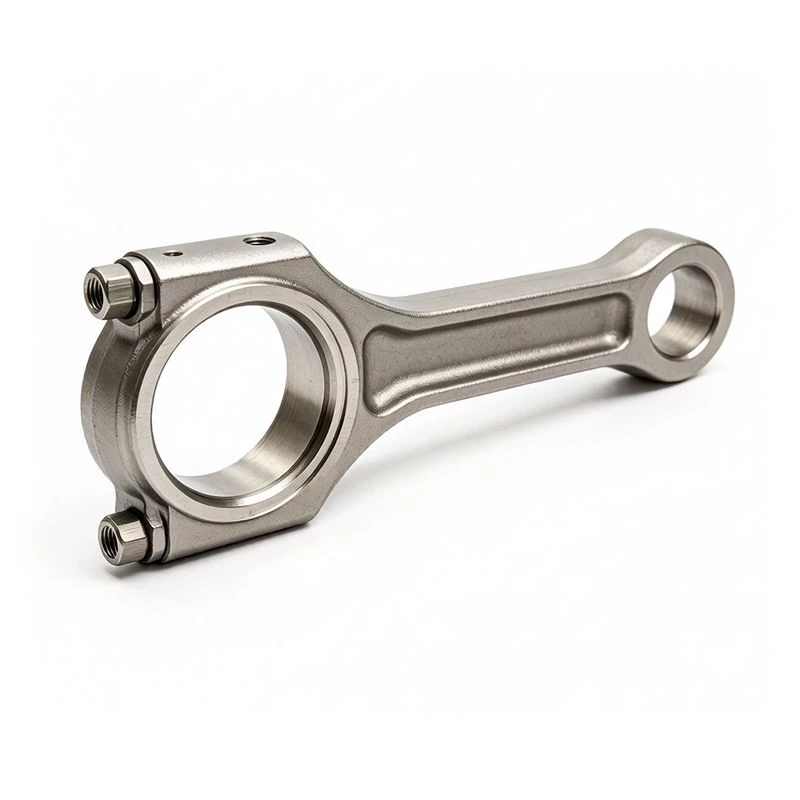
OEM, which stands for Original Equipment Manufacturer, connecting rods are the components that are initially installed in an engine by the vehicle manufacturer. These rods are designed to meet the general performance requirements of the engine under normal operating conditions. They are mass - produced, and their specifications are set to ensure a balance between cost - effectiveness, durability, and performance.
OEM connecting rods typically have a standard design and material composition. For example, they may be made from forged steel or cast iron, depending on the engine's intended use. The dimensions, such as length, width, and the size of the big and small ends, are precisely engineered to fit the engine's pistons and crankshafts.
Reasons for Modifying OEM Connecting Rods
There are several reasons why someone might want to modify OEM connecting rods. Firstly, performance enhancement is a major motivation. Enthusiasts who are into racing or high - performance driving often seek to increase the power output of their engines. By modifying the connecting rods, they can potentially improve the engine's efficiency, reduce reciprocating mass, and increase the engine's RPM limit.
Secondly, customization is another factor. Some engine builders may have specific requirements for their projects, such as fitting non - standard pistons or crankshafts. Modifying the connecting rods can help them achieve a more customized engine setup.
Can OEM Connecting Rods be Modified?
The answer is yes, OEM connecting rods can be modified, but it comes with certain limitations and challenges.
Machining Modifications
One of the most common ways to modify OEM connecting rods is through machining. This can involve reducing the weight of the rod by removing excess material. For example, the rod's shank can be machined to a thinner profile, which reduces the reciprocating mass. This, in turn, allows the engine to rev up more quickly and potentially increase power. However, machining must be done with extreme precision. Any uneven removal of material can lead to imbalances, which can cause premature wear on the engine components and even lead to engine failure.
Another machining modification is to change the dimensions of the big and small ends of the rod. This may be necessary if you are using non - standard pistons or crankshafts. For example, if you are upgrading to a larger - diameter piston, you may need to machine the small end of the connecting rod to fit the new piston pin.
Material Upgrades
In some cases, it is possible to upgrade the material of the OEM connecting rods. For example, Aluminum Connecting Rods are lighter than steel rods, which can significantly reduce the reciprocating mass. However, aluminum has a lower strength compared to steel, so it may not be suitable for high - stress applications. If you choose to upgrade the material, you need to ensure that the new material is compatible with the rest of the engine components and can withstand the operating conditions.
Heat Treatment
Heat treatment is another method of modifying OEM connecting rods. By subjecting the rods to specific heat treatment processes, you can improve their strength and durability. For example, quenching and tempering can increase the hardness of the rod, making it more resistant to wear and fatigue. However, heat treatment requires specialized equipment and expertise, and improper heat treatment can cause the rod to become brittle and prone to cracking.
Risks Associated with Modifying OEM Connecting Rods
While modifying OEM connecting rods can offer performance benefits, it also comes with significant risks.
One of the main risks is the potential for engine damage. As mentioned earlier, any imbalance or improper machining can lead to excessive vibration, which can cause premature wear on the engine bearings, pistons, and crankshaft. In severe cases, it can even lead to a catastrophic engine failure.
Another risk is the voiding of the engine warranty. If you modify the OEM connecting rods, the vehicle manufacturer may consider the warranty void. This means that if something goes wrong with the engine, you will be responsible for all the repair costs.
Other Types of Connecting Rods in Comparison
It's also worth comparing OEM connecting rods with other types. Racing Connecting Rods are specifically designed for high - performance applications. They are often made from high - strength materials and are precision - machined to reduce weight and increase strength. However, they are also more expensive than OEM connecting rods.
Two Piece Connecting Rods offer more flexibility in terms of installation and maintenance. They are commonly used in some high - end engines and can be disassembled for easier access to the crankshaft.
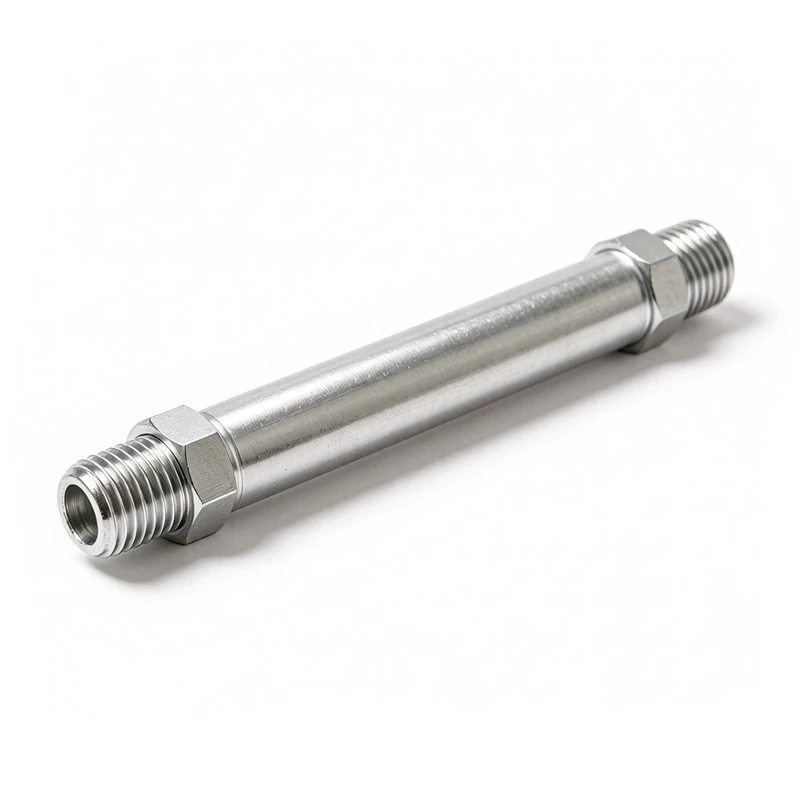
Copper Conductive Rod for Ring Main Unit is a different type of connecting rod used in electrical applications rather than engine applications. It is designed to conduct electricity efficiently.
Conclusion and Call to Action
In conclusion, OEM connecting rods can be modified, but it requires careful consideration and expertise. The potential benefits of performance enhancement and customization are appealing, but the risks of engine damage and warranty voiding cannot be ignored.
If you are interested in modifying OEM connecting rods or are looking for high - quality connecting rods for your engine, we are here to help. Our team of experts has extensive knowledge and experience in the field of connecting rods. We can provide you with the right advice and products to meet your specific needs. Whether you are a racing enthusiast or an engine builder, we are committed to delivering the best solutions. Contact us for more information and to start discussing your procurement requirements.
References
- "Engine Connecting Rod Design and Analysis" - Automotive Engineering Journal
- "Performance Upgrades for Internal Combustion Engines" - SAE International Publications