

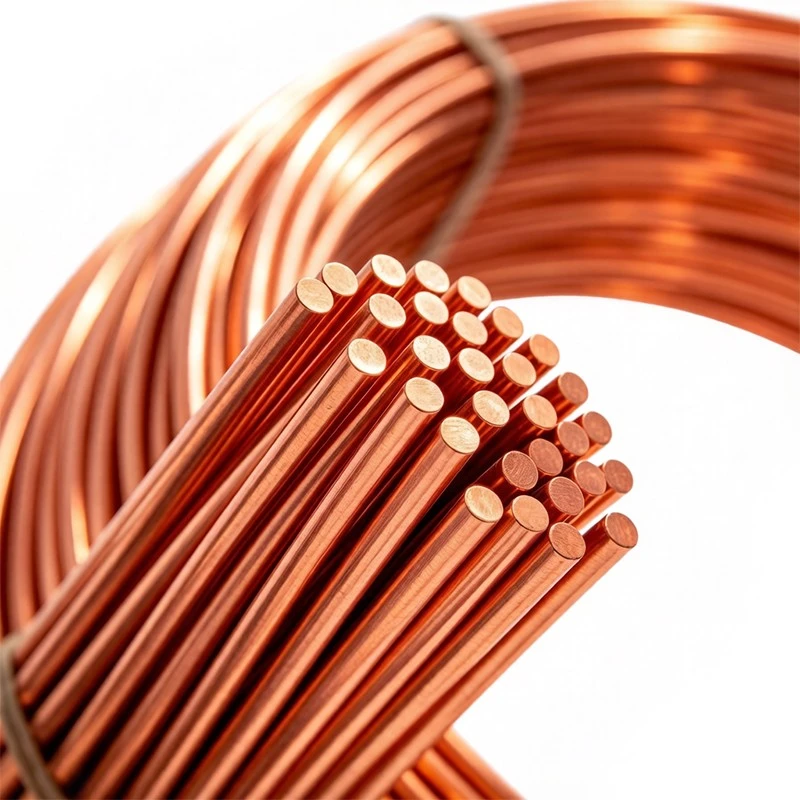
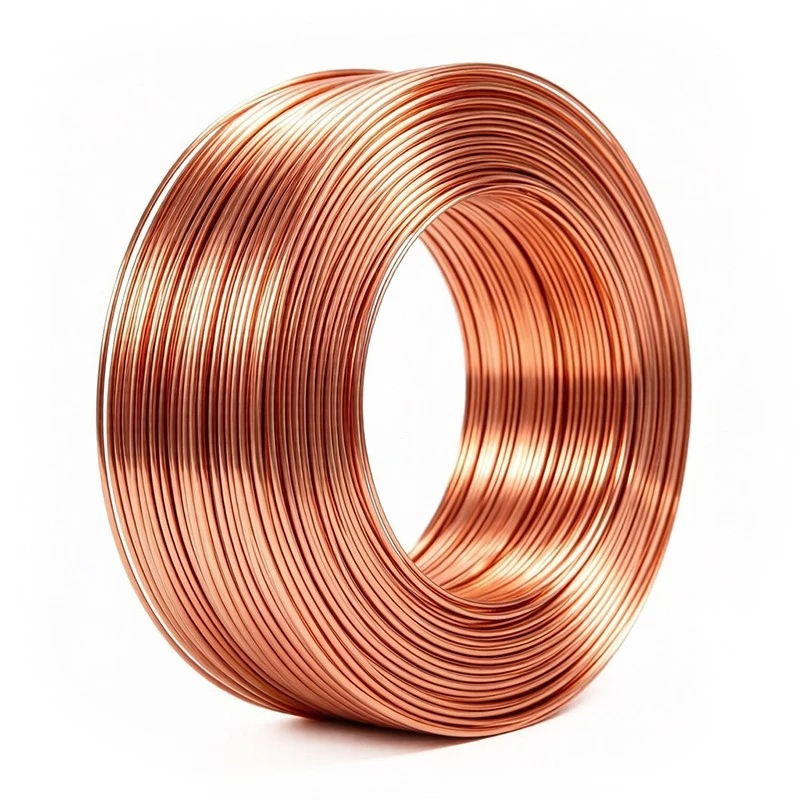
In the ever - evolving landscape of the battery industry, the search for high - quality materials that can enhance battery performance, durability, and safety is relentless. One such crucial material is the electrolytic copper rod. As a leading supplier of Electrolytic Copper Rod, I am excited to delve into the significant role that electrolytic copper rods play in the battery industry.
1. Electrical Conductivity: The Foundation of Battery Function
At the heart of any battery's operation is the flow of electricity. Electrolytic copper rods are highly regarded for their exceptional electrical conductivity. Copper, in general, has one of the highest electrical conductivities among metals. When it comes to electrolytic copper rods, the purity achieved through the electrolytic refining process further enhances this property.
In battery applications, electrical conductivity is of utmost importance. For example, in lithium - ion batteries, which are widely used in portable electronics and electric vehicles, the electrodes need to efficiently transfer electrons. The use of electrolytic copper rods in the battery's current collectors, such as the anode current collector, ensures that the electrical current can flow smoothly with minimal resistance. This not only improves the battery's charging and discharging efficiency but also reduces energy losses in the form of heat. A battery with lower internal resistance can deliver more power to the device it is powering, resulting in better overall performance.
2. Thermal Conductivity: Managing Heat in Batteries
Batteries generate heat during the charging and discharging processes. Excessive heat can degrade the battery's performance, reduce its lifespan, and even pose safety risks such as thermal runaway. Electrolytic copper rods also possess excellent thermal conductivity. This property allows them to effectively dissipate heat away from critical components of the battery.
In battery packs, especially those used in high - power applications like electric vehicles, thermal management is a major concern. The use of electrolytic copper rods in heat sinks or as part of the battery's cooling system can help maintain a stable operating temperature. By quickly transferring heat to the surrounding environment or to a dedicated cooling medium, the copper rods ensure that the battery operates within a safe temperature range, thereby improving its reliability and longevity.
3. Mechanical Properties: Ensuring Structural Integrity
In addition to their electrical and thermal properties, electrolytic copper rods offer good mechanical properties. They are relatively ductile, which means they can be easily drawn into thin wires without breaking. This is particularly useful in the battery industry, where thin copper wires are often used for internal connections within the battery cells.
The ductility of electrolytic copper rods also allows for complex manufacturing processes. For example, they can be formed into various shapes and sizes to fit the specific design requirements of different battery types. Moreover, the rods have sufficient strength to withstand the mechanical stresses that occur during battery assembly, handling, and operation. This ensures that the internal connections within the battery remain intact, preventing electrical failures due to broken wires or loose connections.
4. Corrosion Resistance: Protecting Battery Components
Batteries often operate in environments that can be corrosive. For instance, the electrolytes used in some batteries can be acidic or alkaline, which can cause corrosion of metal components over time. Electrolytic copper rods have a certain degree of corrosion resistance. The pure copper surface forms a thin oxide layer, which acts as a protective barrier against further corrosion.
In battery applications, this corrosion resistance is vital. It helps to protect the current collectors and internal wiring from degradation, ensuring the long - term stability of the battery's electrical performance. By preventing corrosion, the electrolytic copper rods contribute to the overall reliability and safety of the battery, reducing the risk of short circuits and other electrical malfunctions caused by corroded components.
5. Compatibility with Battery Materials
Electrolytic copper rods are highly compatible with a wide range of battery materials. They can be easily integrated with different types of electrodes, electrolytes, and separators used in various battery chemistries. This compatibility is essential for the successful assembly and operation of batteries.
For example, in lead - acid batteries, electrolytic copper rods can be used in the battery terminals and internal connections. Their compatibility with the lead - acid electrolyte and the lead electrodes ensures that there are no adverse chemical reactions that could affect the battery's performance. Similarly, in lithium - ion batteries, the copper rods are compatible with the lithium - based electrodes and organic electrolytes, allowing for seamless electrical and chemical interactions within the battery cell.
6. Types of Copper Rods and Their Suitability for Batteries
As a supplier, we offer different types of copper rods, each with its own unique properties and suitability for battery applications.
Ofhc Copper Wire Rod
Oxygen - free high - conductivity (OFHC) copper wire rods are known for their extremely high purity and excellent electrical conductivity. The absence of oxygen in the copper structure reduces the risk of oxidation and improves the overall performance of the rod. In battery applications, OFHC copper wire rods are ideal for high - end batteries where maximum electrical efficiency is required, such as in some aerospace and high - performance electric vehicle batteries.
Etp Copper Wire Rod for Cable
Electrolytic tough - pitch (ETP) copper wire rods for cable are widely used in the battery industry. They have good electrical conductivity and are relatively cost - effective. ETP copper wire rods are suitable for a variety of battery applications, including those in consumer electronics and small - to - medium - sized electric vehicles. Their toughness makes them easy to handle during the cable manufacturing process, which is often an important part of battery assembly.
Continuous Cast Copper Rod
Continuous cast copper rods are produced through a continuous casting process, which results in a uniform structure and consistent properties. These rods are known for their high quality and reliability. In the battery industry, continuous cast copper rods are used in applications where a high level of precision and consistency is required, such as in large - scale battery production for grid energy storage systems.
Etp Copper Rod
ETP copper rods, similar to ETP copper wire rods for cable, are also a popular choice in the battery industry. They offer a good balance between electrical conductivity, mechanical properties, and cost. ETP copper rods can be used in a wide range of battery applications, from small household batteries to large - scale industrial batteries.
Conclusion and Call to Action
In conclusion, electrolytic copper rods play a multifaceted and indispensable role in the battery industry. Their excellent electrical and thermal conductivity, mechanical properties, corrosion resistance, and compatibility with battery materials make them a vital component in the production of high - performance batteries.
As a trusted supplier of electrolytic copper rods and related products, we are committed to providing the highest quality materials to meet the diverse needs of the battery industry. Whether you are a battery manufacturer looking for reliable current collectors, heat management solutions, or internal wiring materials, our range of Electrolytic Copper Rod, Ofhc Copper Wire Rod, Etp Copper Wire Rod for Cable, Continuous Cast Copper Rod, and Etp Copper Rod can offer the perfect solution.
If you are interested in learning more about our products or would like to discuss your specific requirements for the battery industry, we invite you to reach out. Our team of experts is ready to assist you in finding the most suitable copper rod solutions for your battery manufacturing needs. We look forward to the opportunity to partner with you and contribute to the success of your battery projects.
References
- Copper Development Association. (2022). The Properties and Applications of Copper.
- Battery University. (2023). Advanced Battery Technologies and Their Requirements.
- International Copper Association. (2021). Copper in Energy Storage Applications.